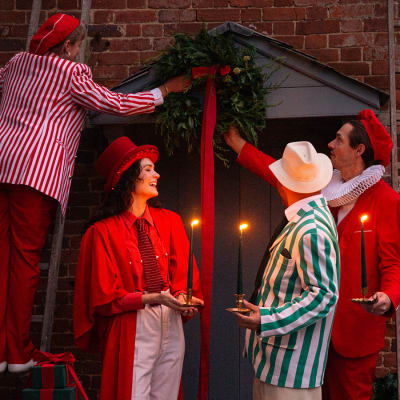
Picture, if you will, the stillness of an orchard in the grip of winter. Branches bare against a slate grey sky, gnarled, burled trunks evidence of seasons past. After dark the quiet deepens. Then, a procession of torches appears, bobbing lights accompanied by a clamorous crowd of revellers and merrymakers. Hooting and shouting, they make their way to the oldest tree. They are here to wassail, an ancient tradition that lives on to this day.


Wassailing’s roots lie deep in Britain’s rural past, drawing on early Christian customs and older pagan and Roman beliefs honouring the turning of the year. The word itself comes from the Old English ‘wes hál’, meaning ‘good health’, which developed into a call-and-return toast answered by ‘drinc heil’ or ‘drink well’. These midwinter gatherings marked a moment of hope, a chance to tend to the land and look ahead to the promise of spring.
Traditionally, wassailing takes place in January, often on Twelfth Night (5 January), or sometimes on the 17th, depending on which calendar you follow. Either way, it arrives at the threshold between seasons. The darkest days are behind us, but the land lays dormant. Wassailing signals change. A collective acknowledgement that winter is loosening its grip and that life will soon return.
What follows is joyful disorder. Cider is warmed, songs are sung, and the quiet of the orchard is deliberately broken. Toast soaked in cider is hung in the branches as an offering, while more is poured at the roots. Noise is crucial: hoots, shouts, the clatter of pots and pans, even gunfire. The purpose of this hullaballoo is to chase away ill fortune, scare off evil spirits and bless the trees in the hopes of a bountiful crop. Somerset folklore includes mention of the ‘Apple Tree Man’, the spirit of the oldest apple tree and fount of the orchard’s fertility. To please him, the din must be loud, and intentions sincere.


At The Newt, we mark wassailing a little later in March, aligning our celebration with the practical work of spring pruning. It’s a moment when tradition meets stewardship – old rituals giving way to the modern task of managing a 3500-tree orchard. Less clamorous, perhaps, but guided by the same principle: that what we tend now will reward us in the seasons to come.
Sample the Spoils
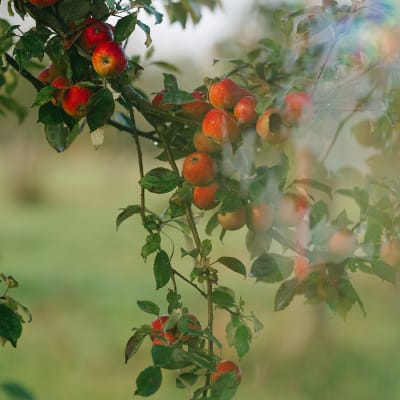
The whole point of wassailing is to produce a good crop of apples. Last year we must have banished the bad spirits with gusto, as summer brought a bumper year for the orchards. To taste the fruits of that labour, why not join a cyder tasting when you next visit The Newt?